Sustainable Solutions: How E-Waste Recycling Services Are Saving Our Planet
Electronic waste presents serious dangers to the environment, as disposed electronics frequently harbor hazardous substances. These hazardous substances can contaminate soil and water, leading to broader ecological damage. Electronic waste recycling programs offer an effective remedy. They not only recover valuable resources but also mitigate pollution. Gaining insight into how these programs function and affect local communities is critical. Pursuing efficient e-waste management brings forth pressing questions regarding individual duties and shared responsibility. What actions should be considered going forward?
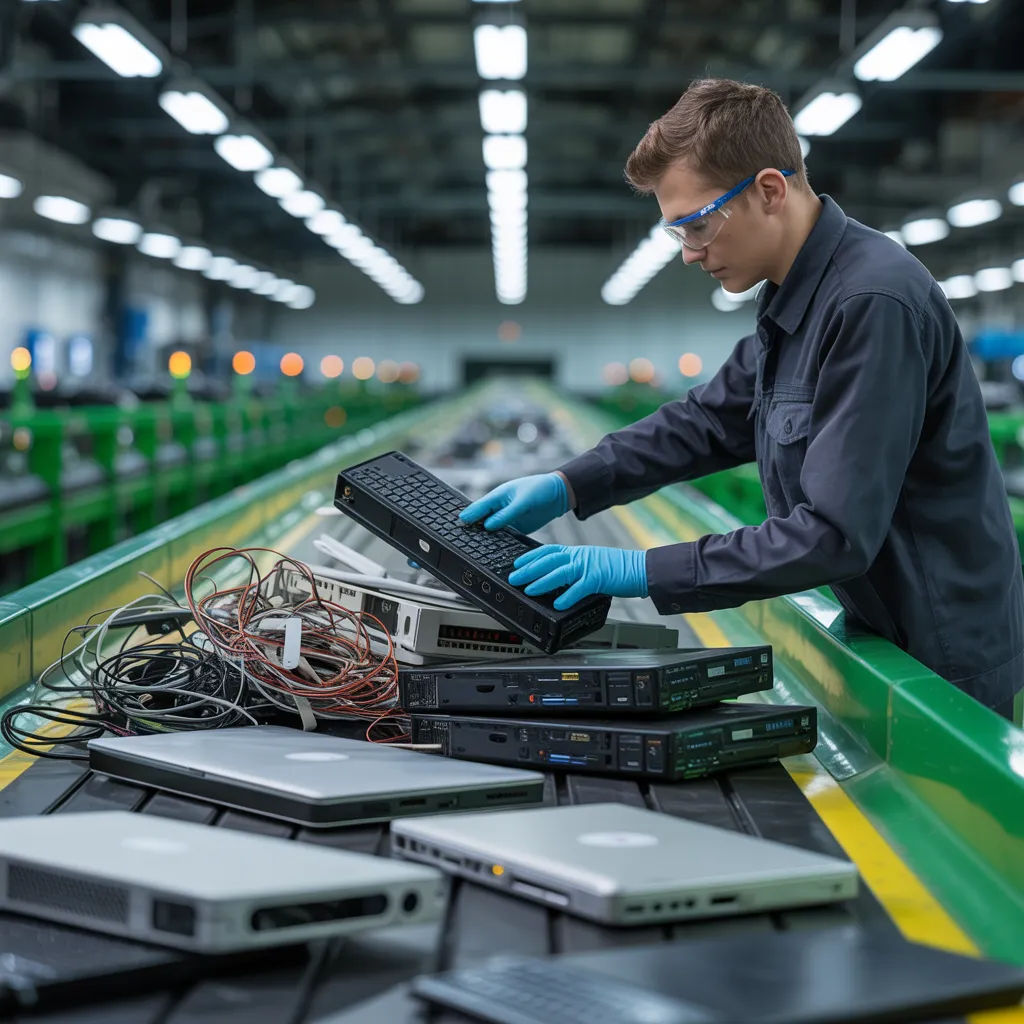
Why Electronic Waste Is Harmful to the Planet
Although technology enriches modern life, electronic waste presents considerable environmental hazards. Disposed electronic equipment, commonly laden with toxic substances including cadmium, lead, and mercury, can leach toxins into soil and groundwater, creating hazards for human health and ecosystems. The rapid pace of technological advancement results in increased consumer turnover of electronics, worsening the buildup of electronic waste.
Landfills, already overwhelmed with refuse, find it difficult to handle the increasing amounts of discarded devices. Incineration, a common waste management technique, emits dangerous pollutants into the environment, degrading atmospheric conditions. Furthermore, inadequate recycling methods can result in the shipment of electronic waste to underdeveloped nations, where workers may break down equipment without proper protective measures, putting themselves at risk of exposure to hazardous materials. This cycle of neglect and improper handling underscores the urgent need for sustainable recycling solutions that can mitigate the adverse effects of e-waste on the planet.
Understanding E-Waste and Its Significance
E-waste, also referred to as electronic waste, encompasses discarded electronic devices such as televisions, computers, and smartphones that have reached the end of their useful life. This increasingly prevalent form of waste is important because of its swift buildup, fueled by innovation in technology and shifting consumer habits. As growing numbers of electronics become outdated, the environmental impact intensifies, with harmful substances like lead, mercury, and cadmium threatening both ecosystems and public health.
Addressing e-waste is crucial not only for reducing these dangers but also for acknowledging the precious materials found within it. Precious metals and rare earth elements can be recovered and Complete guide reused, reducing the need for mining and conserving natural resources. With a thorough understanding of e-waste and its impact, people and organizations alike can make educated decisions about disposal and recycling, helping to build a more sustainable world. Proper management of e-waste is essential for fostering a circular economy and promoting environmental stewardship.
How E-Waste Recycling Works
E-waste recycling entails a systematic process aimed at reclaiming useful resources while limiting ecological damage. Initially, e-waste is collected and transported to purpose-built recycling plants. Upon arrival, the devices undergo thorough sorting to isolate dangerous parts from recoverable materials.
After this step, technicians dismantle the devices, extracting glass, metals, and plastics. This phase is essential, as it facilitates the reclamation of valuable metals like gold, silver, and copper, which may be utilized in new electronic products.
Afterward, the isolated materials are refined using state-of-the-art techniques, such as shredding and chemical treatments, to refine them for repurposing.
Finally, the leftover hazardous waste is handled with responsibility, following environmental regulations. This multi-step approach not only preserves valuable resources but also minimizes the hazards connected to irresponsible electronic waste disposal, securing a more eco-conscious future for electronic consumption.
How E-Waste Recycling Benefits You and Your Community
Although it often goes unnoticed, the advantages of e-waste recycling go far beyond individual benefit and actively shape entire communities. By responsibly disposing of electronic waste, individuals contribute to a healthier environment, reducing harmful substances that can seep into soil and water. This responsible method works to protect local ecosystems and advances public health.
Moreover, e-waste recycling promotes employment opportunities within local communities. Local recycling facilities often require personnel for a range of functions, including collection and processing, thereby providing employment opportunities for community members. This not only boosts the local economy but also encourages community engagement in sustainable practices.
Furthermore, knowledge about e-waste recycling is capable of inspiring educational initiatives, enabling residents to embrace sustainable practices. By participating in e-waste recycling programs, individuals nurture a culture of sustainability, prompting others to embrace similar practices. All things considered, the collective impact of these actions can result in a more sustainable and conscientious community.
How to Select an E-Waste Recycling Service
Selecting the right electronic waste recycling provider is vital for guaranteeing that e-waste is handled responsibly and sustainably. First, consumers should check the provider's credentials, such as R2 or e-Stewards, which indicate adherence to industry standards for secure waste disposal procedures. It is equally important to assess the provider's reputation by reviewing feedback and seeking advice from dependable sources.
Furthermore, openness in the recycling process is crucial. A trustworthy company should offer detailed insights about the way e-waste is handled and what happens to the materials. Additionally, evaluating the range of services offered can be beneficial; certain providers may offer collection services or present rewards for recycling.
Finally, being aware of local regulations regarding e-waste disposal can help inform the decision-making process. By taking these elements into account, people are able to support responsible e-waste disposal while also advancing environmentally responsible practices.
How You Can Get Involved in E-Waste Recycling?
Getting involved with e-waste recycling may begin at the local level, where local recycling facilities frequently offer essential services for safe disposal. Additionally, taking part in community awareness campaigns can enhance efforts to educate others about the importance of proper e-waste handling. These initiatives not only advance environmental sustainability but also foster a collective sense of accountability for the environment.
Local Recycling Centers
Several community recycling facilities fulfill a critical purpose in electronic waste recycling, providing communities with accessible options to handle electronic waste in a responsible manner. These centers accept a range of digital devices, including aging computers, cell phones, and television sets, guaranteeing that dangerous substances are processed safely. Most stations have trained staff who are able to assist individuals with correct disposal techniques, emphasizing the importance of recycling over landfilling. In addition, many centers offer planned drop-off gatherings or set collection days, making participation convenient for residents. By engaging with these local facilities, community members advance a circular economy, minimizing ecological impact and fostering sustainable behaviors. Connecting with these stations empowers communities to take action against e-waste pollution effectively.
Public Awareness Initiatives
Nearby organizations, schools, and enterprises can collaborate to host events that promote e-waste collection drives. Dedicated participants can take a leading part in raising awareness, sharing informational resources, and connecting with local residents. By means of these joint initiatives, community members grow more knowledgeable and inspired to dispose of their electronics responsibly, thus playing a meaningful role in creating a more environmentally responsible future.
Questions We Often Receive
What Types of Electronics Can Be Recycled?
Numerous electronics can be recycled, including laptops, televisions, smartphones, printers, computers, and gaming consoles. Moreover, ancillary devices such as keyboards, mice, and batteries are equally appropriate for recycling, supporting environmental conservation efforts.
Is There a Cost Associated With E-Waste Recycling?
Indeed, e-waste recycling may involve costs, depending on the facility. Some facilities impose charges for pickup or handling, while some providers offer free services, frequently supported by the resale of recovered materials.
What Are the Benefits of E-Waste Recycling for Businesses?
Organizations can gain from e-waste recycling by minimizing disposal costs, improving their green reputation, complying with regulations, reclaiming useful materials, and possibly earning income through resale, ultimately contributing to a more sustainable operational strategy.
What Occurs with Data on Recycled Devices?
Data on recycled electronics is frequently permanently erased or obliterated during processing. This confirms confidential data is kept safe, blocking unwanted intrusion while enabling materials to be reused securely and sustainably within new applications.
Are Broken Electronics Eligible for Recycling?
Yes, defective electronics are able to be recycled. Several centers take in non-functioning devices, guaranteeing proper disposal and recovery of valuable materials. It helps lower the environmental footprint while encouraging eco-friendly recycling methods to address e-waste efficiently.